
Why Healthy Eating Fails When Schedules Are Unpredictable
Unpredictable schedules can derail healthy eating. Learn practical meal-planning systems that make nutritious choices easier, more affordable, and consistent.
The Real Problem Is Not Knowledge—It’s Uncertainty

Most people already understand the basics of healthy eating: include vegetables, choose nourishing proteins, watch portions, and limit highly processed foods. The challenge is following those principles when work shifts change, classes run late, meetings replace lunch, or family responsibilities appear without warning. When time and energy are limited, convenience usually wins. A drive-through meal, vending-machine snack, or skipped dinner can feel like the only realistic option.
Unpredictable routines also make meal planning feel fragile. A carefully prepared weekly menu may stop working when an appointment moves, a child gets sick, or an employee is asked to stay late. This is why nutrition habits are closely connected to time management and food access—not simply motivation. People need flexible systems that account for real constraints, rather than plans that assume every day will follow the same schedule. The goal is not perfect eating; it is creating dependable choices that remain available when the day changes.
Build Meal Planning Around Flexible Decisions
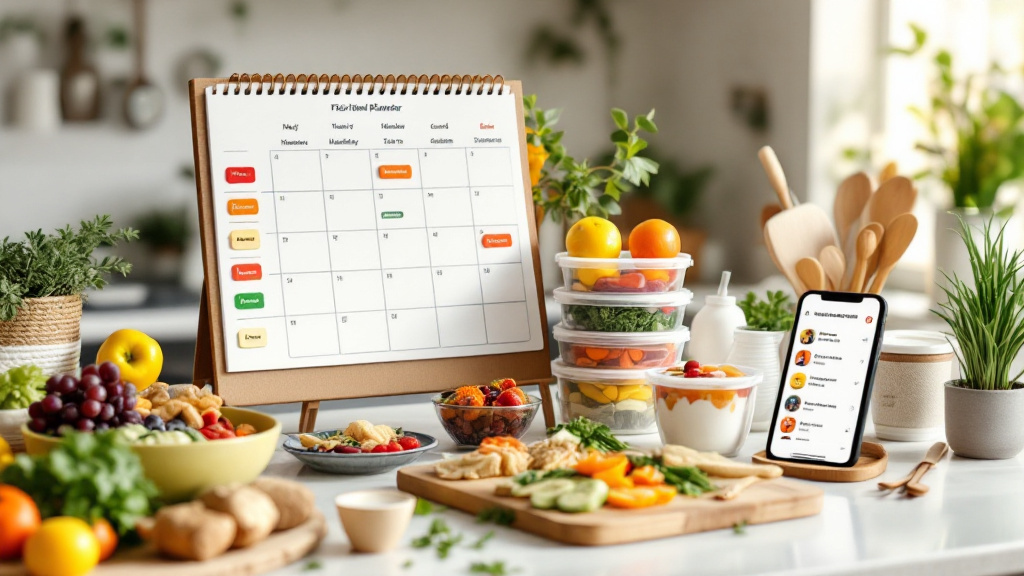
Effective meal planning starts with options, not rigid menus. Instead of assigning one exact meal to every day, create a small rotation of breakfasts, lunches, and dinners that can move with your schedule. Keep a few shelf-stable snacks, frozen vegetables, and quick proteins available for unexpected delays. It also helps to identify “minimum viable meals”—simple combinations that provide enough nourishment when cooking is not possible. For example, a prepared grain bowl, fruit, and yogurt may be more realistic than an ambitious recipe after a long shift.
Time management improves when decisions are made before hunger arrives. Choose meals by occasion: portable lunches for campus, quick dinners for late workdays, and larger portions for physically demanding days. Set a brief weekly planning reminder, but leave room to skip, swap, or pause meals when plans change. Subscription services such as FreshBite can support this approach by combining customizable portions, dietary preferences, recurring orders, and scheduled pickup or delivery. The most sustainable system is one that reduces daily decisions without punishing you when life disrupts the plan.
Design a Nutrition System That Can Adapt

Consistency comes from building nutrition into the structure of everyday life. Start by mapping the points where food access usually breaks down: the gap between classes, the commute home, late office hours, or evenings when caregiving leaves little time to cook. Then place a dependable meal or pickup option at those pressure points. Preparing several servings at once, coordinating orders with household members, or using a nearby campus or office drop-off can reduce both cost and effort.
A practical system should also include recovery steps. If you miss a meal, avoid treating the entire week as a failure; use the next available nourishing option and continue. Review which portions, delivery times, and meal types actually fit your routine, then adjust future orders. FreshBite’s recurring ordering model is designed for this kind of flexibility, allowing customers to customize meals, manage payments, skip a week, pause a subscription, and receive pickup notifications. When healthy eating is supported by coordination rather than willpower alone, it becomes more predictable, affordable, and resilient—even when schedules are not.